
Your business website may have worked well when it was first launched, but that doesn’t mean it’s still meeting your customers’ needs. Outdated information, slow loading times, confusing navigation, and poor mobile functionality can make it harder for visitors to find what they’re looking for.
As your business grows and technology changes, your website should continue to support your services, customers, and marketing goals. Recognizing when it’s time for a website update can help you improve usability, maintain accurate information, and create a stronger online presence.
Why Is Keeping Your Website Updated Important?
Your website is often one of the first places potential customers go to learn about your business. Whether they’re looking for your services, checking business hours, or trying to contact your team, they expect information to be accurate and easy to access.
Regular website maintenance helps keep content current, address technical issues, and ensure important features continue functioning properly. Updates can also provide opportunities to improve website accessibility, search engine optimization (SEO), and the overall user experience.
Not every website needs a complete redesign. Sometimes updating content, fixing navigation issues, or improving mobile layouts can make a significant difference. However, recurring problems or an outdated website structure may indicate that more extensive changes are needed.
5 Signs It's Time to Update Your Website
1. Your Website Doesn’t Work Well on Mobile Devices
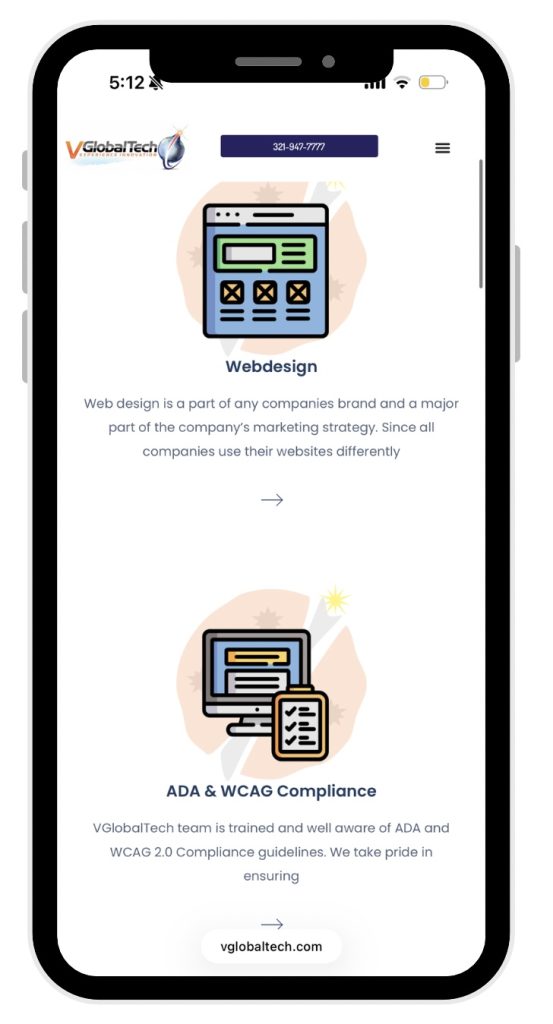
A website that looks great on a desktop computer may still be difficult to use on a smartphone. Small text, overlapping elements, oversized images, and buttons that are difficult to tap can interfere with mobile navigation.
Responsive web design allows a website’s layout to adapt to different screen sizes, helping visitors access information across desktops, tablets, and mobile devices.
Mobile functionality is also important for SEO because Google primarily uses the mobile version of a website’s content for indexing and ranking.
If visitors have to zoom in, scroll horizontally, or struggle to navigate your website on their phones, it may be time to improve your responsive design.
2. Your Website Contains Outdated Information
Old service descriptions, incorrect business hours, broken links, and outdated contact information can frustrate potential customers and create confusion about what your business currently offers.
Even small details matter. If someone visits your website to schedule an appointment or request a quote and finds information that is no longer accurate, they may leave before contacting your business.
Reviewing your website regularly helps ensure that your services, pricing information, images, and contact details reflect your current operations.
3. Your Website Loads Slowly
Website performance plays an important role in usability. Large image files, unnecessary scripts, outdated plugins, and other technical issues can contribute to slower loading times.
A slow website may cause visitors to abandon a page before they reach the information they need. Performance issues can be particularly noticeable on mobile devices or slower internet connections.
Google’s Core Web Vitals measure important aspects of website experience, including loading performance, responsiveness, and visual stability. Tools such as Google PageSpeed Insights can help identify potential performance problems and areas for improvement.
Optimizing images, reviewing website code, and maintaining plugins are a few ways businesses can address common performance concerns.
4. Visitors Have Trouble Finding Information
Clear website navigation helps customers understand where to go and what actions to take. When menus are confusing, pages are poorly organized, or important buttons are difficult to locate, visitors may struggle to complete simple tasks.
For example, a potential customer looking for your services should not have to search through several unrelated pages to find basic information or a contact form.
Improving navigation, organizing content with descriptive headings, and making calls to action easier to identify can create a more efficient user experience.
Website accessibility should also be considered when making these improvements. Properly labeled buttons, readable content, and keyboard-accessible navigation help make websites usable for more visitors.
5. Your Website No Longer Reflects Your Business
Businesses change over time, but their websites don’t always keep up. You may have introduced new services, updated your branding, expanded your audience, or changed how customers interact with your company.
If your website still represents an older version of your business, potential customers may not understand everything you currently offer.
Updating your website’s design, content, and functionality can help communicate your services more accurately and create a consistent brand experience.
In some cases, a few targeted updates may be enough. For businesses with outdated layouts, limited functionality, or significant structural issues, a website redesign may be the better long-term solution.
Website Update vs. Website Redesign: What’s the Difference?
Although website updates and redesigns both aim to improve your online presence, they involve different levels of work.
A website update generally focuses on improving an existing website without changing its overall structure. This may include replacing outdated content, correcting broken links, updating images, improving page speed, or adjusting individual design elements.
A website redesign involves more substantial changes to a website’s appearance, organization, or functionality. This might include developing a new layout, restructuring navigation, improving responsiveness, or updating the overall user experience.
The right approach depends on your website’s current condition and your business goals. Evaluating existing issues before making major changes can help determine which improvements are necessary.
How Website Updates Can Support SEO and Accessibility
Website improvements can also support your search engine optimization and digital accessibility efforts.
Updating inaccurate content, improving internal links, and organizing pages with descriptive headings can make your website more useful to visitors and easier for search engines to understand.
Accessibility improvements, such as meaningful image descriptions, sufficient color contrast, keyboard navigation, and properly labeled forms, help reduce barriers for people with disabilities.
While updating a website does not automatically improve search rankings or guarantee accessibility compliance, following established SEO and WCAG best practices can support a better overall website experience.
Keep Your Website Performing With VGlobalTech
At VGlobalTech, we help businesses create and maintain professional, functional websites through web design, development, SEO, and digital accessibility services.
Our team works with businesses to develop websites that reflect their goals while considering usability, responsive design, and long-term functionality.
Whether your existing website needs improvements or your business is ready for a complete redesign, VGlobalTech can help you explore solutions that support your online presence.
Is Your Website Ready for an Update?
An outdated website can make it harder for customers to find information, navigate your services, and connect with your business. Reviewing your website regularly helps identify issues that may be affecting its usability and performance.
Ready to improve your business website?
Contact VGlobalTech to learn more about our professional web design, website development, SEO, and accessibility services.
Visit VGlobalTech.com to get started.

No comment yet, add your voice below!